
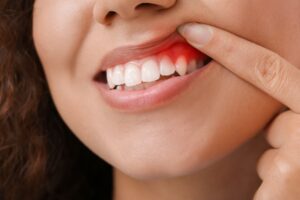
Gum disease is one of the most common oral health issues, affecting nearly half of adults to some degree. While regular brushing, flossing, and professional cleanings are the foundation of healthy gums, there’s growing evidence that probiotics—beneficial bacteria that support a healthy microbiome—may also play a role in preventing gum disease. Here are 4 ways probiotics can help protect your gums and support long-term oral health.
1. Probiotics Help Balance Oral Bacteria
Gum disease begins when harmful bacteria accumulate along the gumline and trigger inflammation. Probiotics introduce beneficial bacteria into your mouth, which compete with and limit the growth of harmful strains. This balance helps reduce the amount of plaque-causing bacteria and creates a healthier environment for your gums. When your oral microbiome is balanced, your body can better defend itself against early gum irritation and infection.
2. They Reduce Inflammation
Gum inflammation is a major early sign of gum disease. Red, swollen, or bleeding gums occur when your body reacts to harmful bacteria. Certain probiotic strains are known for their anti-inflammatory properties and may help calm irritated gum tissue. By decreasing inflammation, probiotics may reduce the severity of gingivitis and make it easier for your gums to heal. This is especially helpful for people who struggle with sensitivity or frequent gum irritation.
3. Probiotics Support Stronger Immune Responses
Your mouth is constantly exposed to bacteria—both good and bad. Probiotics help strengthen your immune response, giving your body an extra line of defense against infections like gum disease. When your immune system is supported, it reacts more efficiently to early signs of gum irritation and helps prevent bacteria from progressing deeper into gum tissue. This added immune boost supports overall oral health and makes your gums more resilient.
4. They Can Reduce Bad Breath
Chronic bad breath, or halitosis, is often linked to gum disease. Harmful bacteria produce unpleasant-smelling sulfur compounds that contribute to persistent odor. Probiotics help reduce the presence of these bacteria in the mouth, leading to fresher breath. While it may seem like a small benefit, reducing bad breath is an important part of preventing gum disease, as it often indicates an unhealthy bacterial imbalance.
Probiotics aren’t a substitute for brushing, flossing, or regular dental visits, but they can be a helpful addition to your oral care routine. When combined with good habits, they offer natural support in preventing gum disease and keeping your smile healthy.
About the Author
Dr. Natalya Ramsay earned her dental degree at the Oregon Health and Science University School of Dentistry. She has a wide range of experience in pediatric dentistry, surgical treatments, cosmetic dentistry, and root canal therapy. Dr. Ramsay is also a part of the Medical Teams International Dental Van, which provides mobile care for low-income patients in need. If you’re in need of therapy for gum disease, we can help! Schedule an appointment online or call (503) 472-1402.